
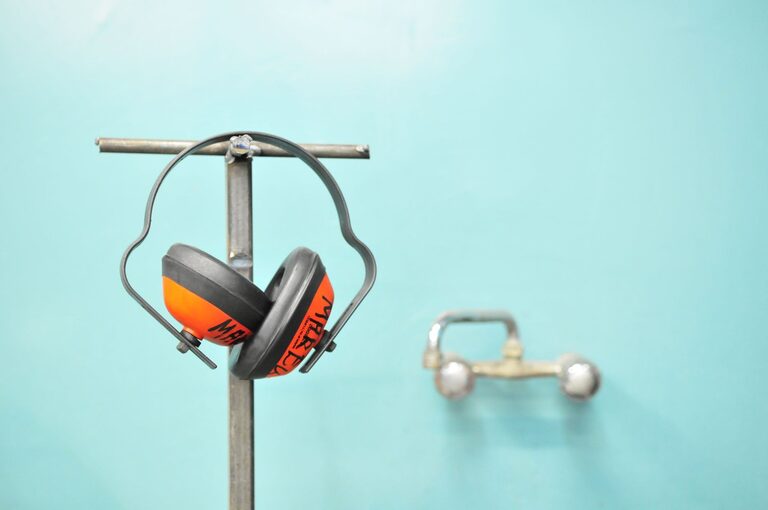
Living in a noisy environment can affect your comfort, concentration, and overall well-being. Whether you have loud neighbors, street traffic, or noisy appliances, there are simple ways to reduce noise at home. You don’t need to invest in expensive solutions to enjoy a quieter space. This post explores practical tips to minimize noise and enhance the tranquility in your home.
Understanding Noise and Its Impact
Noise is any unwanted sound that disrupts your environment. It can come from inside your home, such as televisions, washing machines, or conversations, or from outside, including traffic, construction, or neighbors. Prolonged exposure to noise can lead to stress, trouble sleeping, and difficulty focusing.
By taking steps to reduce noise, you create a more peaceful atmosphere that supports relaxation and productivity.
Easy Ways to Reduce Noise at Home
1. Use Soft Furnishings
Soft materials absorb sound better than hard surfaces. Adding items like rugs, curtains, cushions, and upholstered furniture can help reduce echo and noise levels.
– Place area rugs on hardwood or tile floors to dampen footsteps and sounds.
– Hang thick curtains or drapes over windows to block outdoor noise.
– Use fabric-covered furniture to absorb sound instead of leather or vinyl.
2. Seal Gaps and Cracks
Noise can seep into your home through small openings around doors, windows, or walls.
– Use weatherstripping tape or door sweeps to block gaps under doors.
– Apply caulk around windows and door frames to seal cracks.
– Consider using soundproofing sealant for better noise reduction around problem areas.
3. Rearrange Your Furniture
Strategically placing furniture can create barriers that reduce noise transmission.
– Position bookshelves filled with books against walls that face noisy areas.
– Use large sofas or armchairs near doors or windows to help block sound.
– Create cozy seating corners away from noise sources.
4. Add Sound-Absorbing Wall Hangings
Blank walls reflect sound, increasing noise levels in a room. Decorate walls with items that absorb sound.
– Hang tapestries, fabric art, or quilts on the walls.
– Use cork boards or acoustic panels designed to reduce noise.
– Consider DIY options like framed blankets or heavy curtains.
5. Install Door and Window Upgrades
Some noise enters through standard doors and windows because they lack soundproofing features.
– Replace hollow core doors with solid core options that block sound better.
– Upgrade to double-pane or laminated glass windows for improved noise insulation.
– Add storm windows to reduce outdoor noise further.
6. Use White Noise Machines or Fans
If completely blocking noise isn’t possible, masking unwanted sounds can be helpful.
– White noise machines produce soothing sounds that cover disruptive noises.
– A regular fan or air purifier can create a steady background noise to help you focus or sleep better.
7. Limit Noise from Electronics and Appliances
Many household gadgets contribute to background noise.
– Choose quieter models when replacing appliances.
– Place noisy appliances in areas where noise is less disruptive.
– Turn off electronics when not in use to reduce constant background noise.
Additional Tips for Specific Rooms
In the Bedroom
– Use thick curtains or blackout shades to block nighttime noise.
– Consider an upholstered headboard which can absorb sound behind the bed.
– Place a rug next to the bed to reduce noise from movement.
In the Living Room
– Use fabric-covered furniture to soften noise.
– Add a bookshelf or cabinet against shared walls with neighbors.
– Place plants around the room, which can help absorb sound naturally.
In the Home Office
– Use acoustic panels or foam tiles on walls to minimize distractions.
– Position your desk away from doors or windows facing noisy streets.
– Use noise-cancelling headphones when necessary.
Final Thoughts
Reducing noise at home doesn’t have to be complicated or costly. Simple steps like adding soft furnishings, sealing gaps, and rearranging furniture can significantly improve your home’s sound environment. Combining several small changes typically leads to the best results. By creating a quieter space, you improve your comfort, reduce stress, and enhance your ability to relax and concentrate.
Try out these tips, and enjoy the calm and quiet you deserve in your own home.