
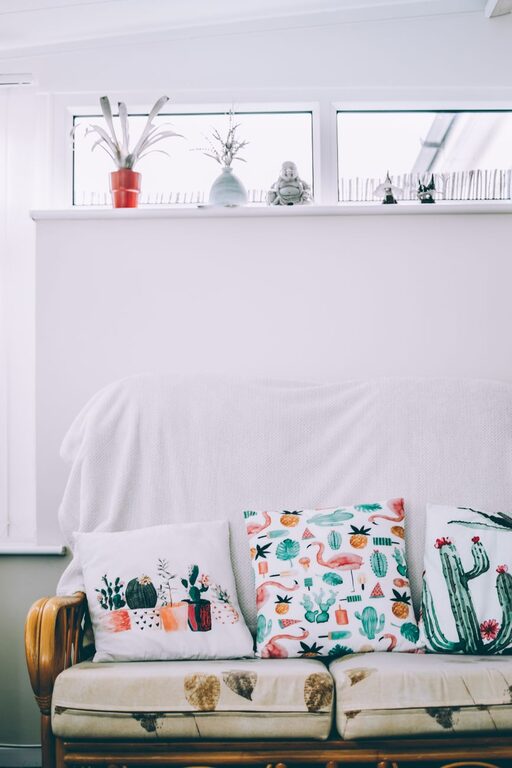
A dark room can feel cramped, dull, and uninviting. Whether it’s due to limited natural light or the room’s layout, brightening a dark space can dramatically improve the atmosphere and make it a more pleasant place to spend time. The good news is that with a few smart adjustments and creative ideas, you can easily transform a dim room into a bright, cheerful space.
In this post, we’ll explore quick and practical ways to brighten a dark room using light, color, and smart decor choices.
Assess the Lighting Situation
Before making changes, take a moment to evaluate why the room feels dark. Common reasons include:
– Lack of windows or natural light
– Heavy or dark window treatments blocking light
– Dark wall colors and furniture
– Inefficient lighting fixtures
Once you understand the cause, you can focus on solutions that address the root.
Maximize Natural Light
Remove or Replace Heavy Curtains
Heavy drapes and dark curtains can block much-needed sunlight. Try these alternatives:
– Swap them for light, sheer curtains that allow light to filter through while maintaining privacy.
– Use blinds or shades that can be fully opened during the day.
– If privacy isn’t an issue, consider leaving windows bare.
Clean Windows Regularly
Dirt and dust reduce the amount of sunlight coming in. Clean windows both inside and out for maximum brightness.
Use Mirrors to Reflect Light
Mirrors are a simple, affordable way to bounce natural light around a room.
– Place a large mirror opposite or adjacent to a window.
– Use multiple smaller mirrors to increase the light-reflecting effect.
– Choose mirrors with decorative frames to add style.
Choose the Right Colors
Paint Walls in Light Shades
Dark walls absorb light, making a room feel gloomy.
– Opt for light, neutral colors such as white, cream, pale gray, or soft pastels.
– Matte or eggshell finishes help diffuse light evenly.
Light-Colored Flooring and Furniture
If possible, use lighter-colored rugs, floors, and furniture to enhance brightness.
– White or light wood floors reflect light better than dark hardwood.
– Upholstered furniture in beige, taupe, or light gray complements a bright look.
Use Color Strategically
Bright accents can lift the mood and add interest without overwhelming the space.
– Throw pillows, artwork, and decorative objects in vibrant colors add energy.
– Avoid too many dark or heavy pieces that absorb light.
Improve Artificial Lighting
Layer Your Lighting
Good lighting comes from layers: ambient, task, and accent.
– Ambient lighting: Use ceiling fixtures or chandeliers that provide general illumination.
– Task lighting: Add desk lamps, floor lamps, or under-cabinet lights for focused activities.
– Accent lighting: Highlight artwork or architectural features with spotlights or LED strips.
Choose the Right Bulbs
– Use bulbs with a higher color temperature (around 3000-4000K) for a bright, white light.
– LED bulbs are energy-efficient and available in many brightness levels.
– Avoid bulbs that emit yellowish or dim light.
Use Reflective Fixtures
Lighting fixtures with reflective surfaces or glass elements help amplify light.
– Consider chandeliers, pendant lights, or lamps with shiny, chrome, or glass finishes.
Declutter and Organize
Clutter can make a room feel smaller and darker by blocking light and creating visual chaos.
– Keep surfaces clear and organized.
– Use storage solutions like shelves, baskets, and ottomans to hide clutter.
– Minimalistic spaces feel brighter and more open.
Add Greenery
Plants bring life and freshness to any room. Although they don’t directly increase light, bright green leaves help balance the space visually.
– Choose low-light plants like snake plants, pothos, or ZZ plants if natural light is limited.
– Group plants near windows or light sources to maximize their health and visual impact.
Use Reflective and Light-Enhancing Decor
– Metallic accents such as gold, silver, or brass reflect light and add sparkle.
– Glass and acrylic furniture pieces don’t block light and maintain openness.
– Crystal or glass chandeliers create prism effects that brighten the room.
Rearrange Furniture
Sometimes, simply moving furniture can improve light flow.
– Avoid placing large pieces in front of windows.
– Position seating near natural light sources.
– Keep walkways clear so light can travel through the room easily.
Consider Window Treatments That Add Light
If privacy or sun control is important, try:
– Top-down, bottom-up shades that let light in while maintaining privacy.
– Light-filtering blinds that soften harsh sunlight without darkening the room.
Final Thoughts
Brightening a dark room doesn’t have to involve expensive renovations. Simple steps like maximizing natural light, choosing the right colors, enhancing lighting, and decluttering can make a big difference quickly. Experiment with these ideas and see what works best for your space. The result will be a welcoming, lively room you’ll enjoy spending time in every day.